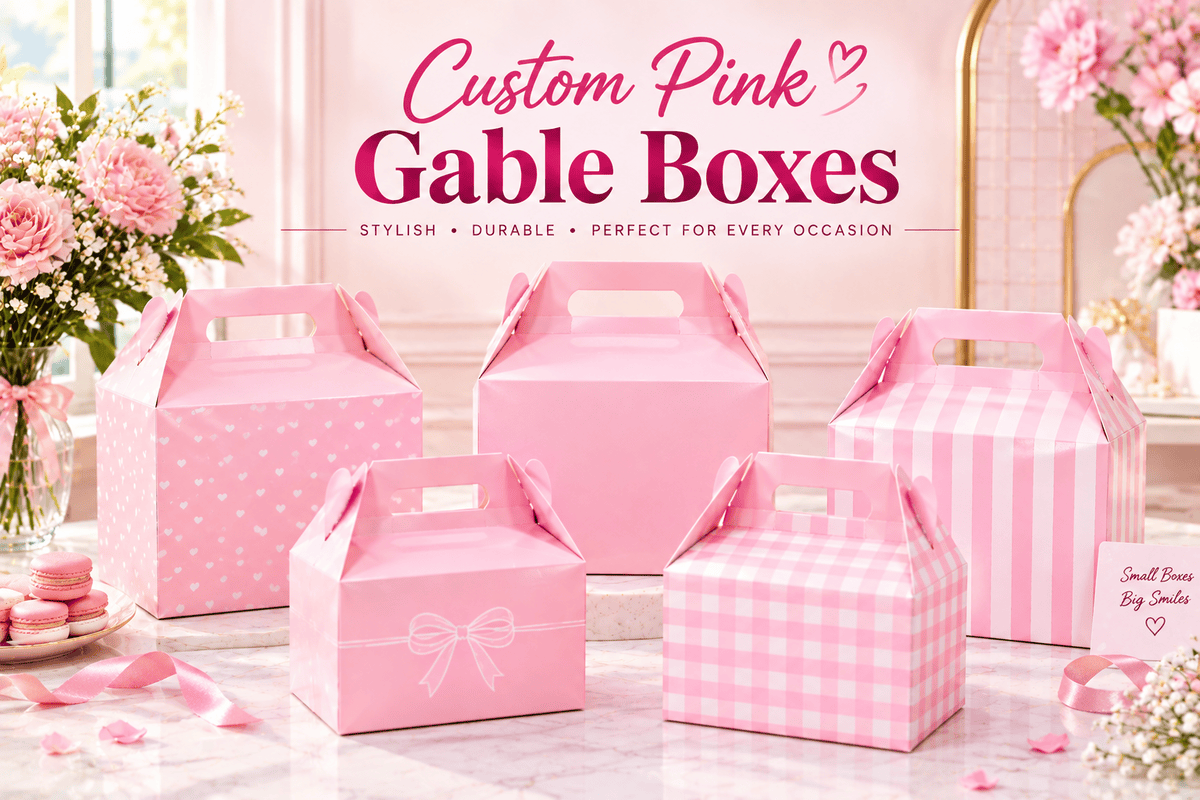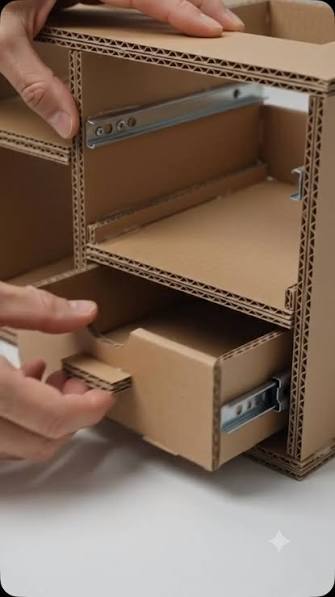
Choosing the right packaging can make a major difference in how products are stored, transported, displayed, and delivered. Cardboard Boxes Giza provide a practical packaging solution for businesses, retailers, online sellers, manufacturers, and households that need dependable protection without unnecessary expense. However, not every box is suitable for every product. The ideal choice depends on product size, weight, shape, fragility, storage conditions, shipping requirements, and presentation goals.
We can find the perfect box by evaluating these factors before purchasing. A well-selected cardboard box reduces wasted space, improves product protection, simplifies handling, and can create a more professional customer experience. From lightweight retail products to heavier commercial goods, the right packaging format helps us build a more efficient packaging system.
Packaging boxes are available in different sizes, shapes, materials, and constructions to meet different product requirements. Selecting the correct box begins with understanding what the product needs during storage and transportation.
For lightweight products, a standard single-wall cardboard box may provide sufficient protection. Heavier or fragile products may require stronger corrugated construction with additional cushioning. Products with unusual shapes may need customized dimensions to prevent movement inside the package.
We should never choose a box based only on appearance or price. A box that is too large can increase material usage and shipping costs, while a box that is too small may compress or damage the product. The best packaging solution creates a practical balance between protection, size, durability, cost, and presentation.
The first step is to examine the product carefully. We should consider its dimensions, weight, shape, surface, and level of fragility.
Measure the product's length, width, and height rather than estimating its size. Accurate measurements help us select a box that provides enough room for the product and protective materials without leaving excessive empty space.
Weight is equally important. Lightweight products may work well with basic cardboard construction, while heavier items require stronger walls and reliable bottom support.
We should also identify whether the product is:
This simple assessment creates a foundation for choosing suitable Cardboard Boxes Giza.
Box dimensions have a direct effect on product protection and shipping efficiency. A properly sized box should hold the product securely while leaving enough space for suitable protective material.
An oversized box creates unnecessary empty space. During transportation, the product may move from side to side, increasing the possibility of impact damage. Larger boxes can also require more filling material and may increase storage requirements.
A box that is too small creates a different problem. It can put pressure on the product, make packing difficult, and cause the cardboard to bulge or lose its structural strength.
We should aim for a secure fit with sufficient protective clearance. When possible, standard box sizes can be used for common products, while unusual products may benefit from custom dimensions.
Not every cardboard box has the same strength. Material construction should match the weight and handling conditions of the product.
For lightweight goods, standard cardboard may be enough. For heavier products, stronger corrugated boxes can provide improved resistance to compression and impact.
Corrugated cardboard generally contains layers that create a stronger structure than simple single-sheet cardboard. The specific construction should be selected according to the product's weight and shipping environment.
We should consider the following:
When products are stacked in warehouses or delivery vehicles, box strength becomes especially important. Stronger Cardboard Boxes Giza can help maintain package integrity throughout the handling process.
Fragile products need more than an appropriately sized box. They also require effective internal protection.
Glassware, electronics, ceramics, cosmetics, and other delicate products can be damaged when they move freely inside a package. We can reduce this risk by combining a properly sized box with cushioning materials.
Depending on the product, suitable options may include:
The objective is to prevent excessive movement and reduce the effect of shocks during transportation.
For particularly delicate products, we should test the complete packaging system rather than evaluating the cardboard box alone.
Product shape can influence box selection as much as product size.
Rectangular products are usually easy to package using standard rectangular boxes. Long products may require narrow and extended boxes, while irregular products can benefit from custom packaging.
We should avoid forcing oddly shaped products into unsuitable boxes. Excessive empty space can increase movement, while an extremely tight fit can create pressure points.
Custom-sized Cardboard Boxes Giza can be particularly useful when standard dimensions do not provide an efficient fit. Custom packaging can reduce unnecessary material while improving product stability.
Shipping introduces additional challenges that do not always exist during local storage.
Packages may experience repeated handling, stacking, vibration, movement, and changes in environmental conditions. We should therefore choose packaging according to the expected delivery journey.
For products traveling long distances, stronger construction and internal protection can be especially valuable. If packages will pass through several handling points, the box should be capable of maintaining its shape throughout the process.
We should also consider the shipping carrier's size and weight requirements. Efficient packaging can help reduce unnecessary dimensional volume and make transportation more economical.
The cardboard box provides the outer structure, but internal packaging protects the product from movement and impact.
A common mistake is leaving too much empty space around an item. Another is filling the box with excessive material that adds cost and weight without providing meaningful protection.
We should use internal protection strategically. The product should remain stable without becoming difficult to pack or unpack.
For multiple products inside one box, dividers and inserts can prevent items from hitting one another. This is particularly useful for glass products, bottles, electronics, and other fragile goods.
Packaging is also part of the customer experience. When a customer receives a clean, secure, professionally packed product, the packaging can reinforce confidence in the business.
Businesses can use printed cardboard boxes to display:
Simple and consistent packaging can make products appear more organized and professional.
For online sellers, packaging can become especially important because it is often one of the first physical interactions customers have with the brand after ordering.
Finding the perfect box does not necessarily mean choosing the most expensive option. We should focus on value rather than price alone.
A cheap box that fails during transportation can create replacement costs, damaged products, returns, and customer complaints. On the other hand, unnecessarily heavy packaging can increase material and shipping expenses.
The most cost-effective option is usually a box that provides appropriate protection without excessive material.
Buying commonly used sizes in suitable quantities may also help businesses control packaging costs. However, we should avoid purchasing large quantities of unsuitable boxes simply because the unit price appears attractive.
Packaging decisions also affect warehouse efficiency.
Standardized box sizes can make stacking and storage easier. Boxes that fold flat before use can reduce the amount of space required for unused packaging inventory.
Businesses should consider how many box sizes they actually need. Maintaining an excessive number of packaging formats can complicate inventory management.
A practical packaging system may use several carefully selected sizes rather than dozens of inconsistent options.
Sustainability has become an important consideration for modern businesses. Cardboard is widely used because it can provide practical packaging while supporting recycling and responsible material management.
We can improve packaging efficiency by selecting appropriately sized boxes, reducing unnecessary filler, and avoiding excessive packaging layers.
Using recyclable cardboard and minimizing wasted material can support a more responsible packaging strategy.
The most sustainable box is not necessarily the smallest or lightest one. It should provide enough protection to prevent product damage while avoiding unnecessary material consumption.
Before ordering a large quantity, we should test the selected packaging with the actual product.
A simple test can reveal problems that measurements alone may not show. We can check whether the product fits correctly, whether the box closes securely, whether protective material is sufficient, and whether the package remains stable during handling.
For businesses, sample testing can prevent costly mistakes.
We should evaluate:
Testing gives us greater confidence before moving to bulk purchasing.
Choosing packaging becomes easier when we understand common mistakes.
One frequent mistake is selecting boxes based only on product dimensions without considering cushioning. Another is using the same box strength for every product regardless of weight.
We should also avoid excessive empty space, weak closures, poor internal protection, and unnecessarily complicated packaging.
Another problem is ignoring the delivery environment. Packaging that works perfectly for short-distance transportation may not provide enough protection for long-distance shipping.
By evaluating the complete packaging journey, we can make better decisions.
Businesses can create a more efficient packaging strategy by organizing products into packaging categories.
For example, products can be grouped by:
Each category can then be matched with an appropriate box type.
This approach helps employees pack products faster and reduces the possibility of selecting an unsuitable box. It can also simplify purchasing and inventory management.
For growing businesses, standardized Cardboard Boxes Giza can provide a practical foundation for a repeatable packaging process.
Finding the perfect box for every product requires more than choosing a container that looks appropriate. We need to consider product dimensions, weight, fragility, box strength, internal protection, shipping conditions, cost, storage, and presentation.
The right Cardboard Boxes Giza can help businesses protect products, improve packing efficiency, manage shipping expenses, and create a professional customer experience. By measuring products accurately, selecting suitable materials, testing packaging before bulk purchasing, and avoiding unnecessary packaging, we can build a reliable packaging system for almost any product.
When the box matches the product, packaging becomes more than a simple protective layer. It becomes a practical business tool that supports safer transportation, better organization, stronger presentation, and more efficient day-to-day operations.

This post has been authored and published by one of our premium contributors, who are experts in their fields. They bring high-quality, well-researched content that adds significant value to our platform.











Photography Shots is your source for photography tips, camera guides, editing tutorials, and creative inspiration. Capture moments, tell stories, and improve your photography skills.